3 hr
Bangkok Temples, Canals & Local Life Bike Tour
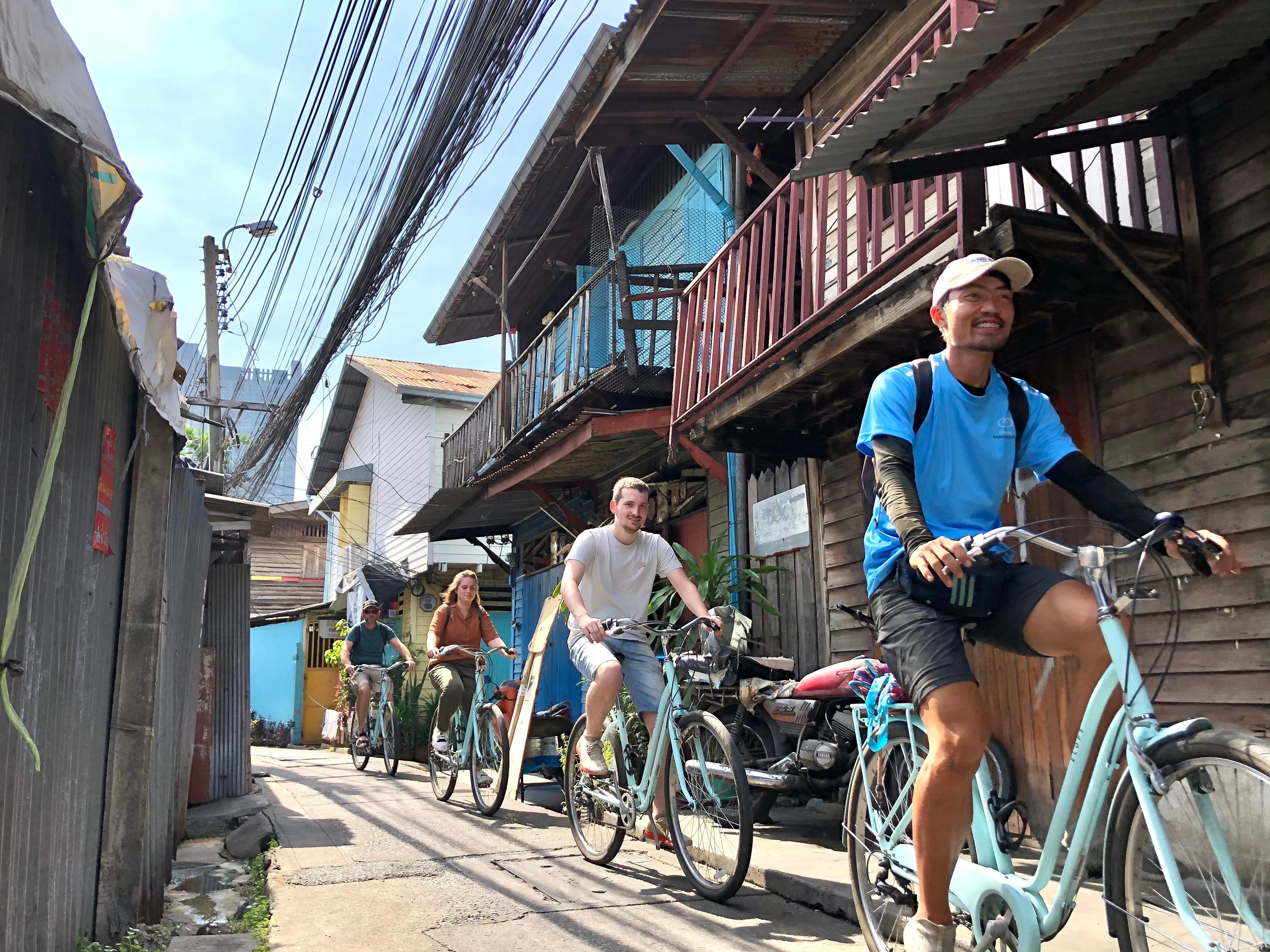
Pedal through Thonburi's hidden neighborhoods, riverside temples, and authentic markets on this 3-hour cycling adventure
Reserve
Hand-picked by our editors — only the best 5 experiences from 18 reviewed.
Verified partners for every tour, free cancellation where available, and instant confirmation on every booking.
3 hr
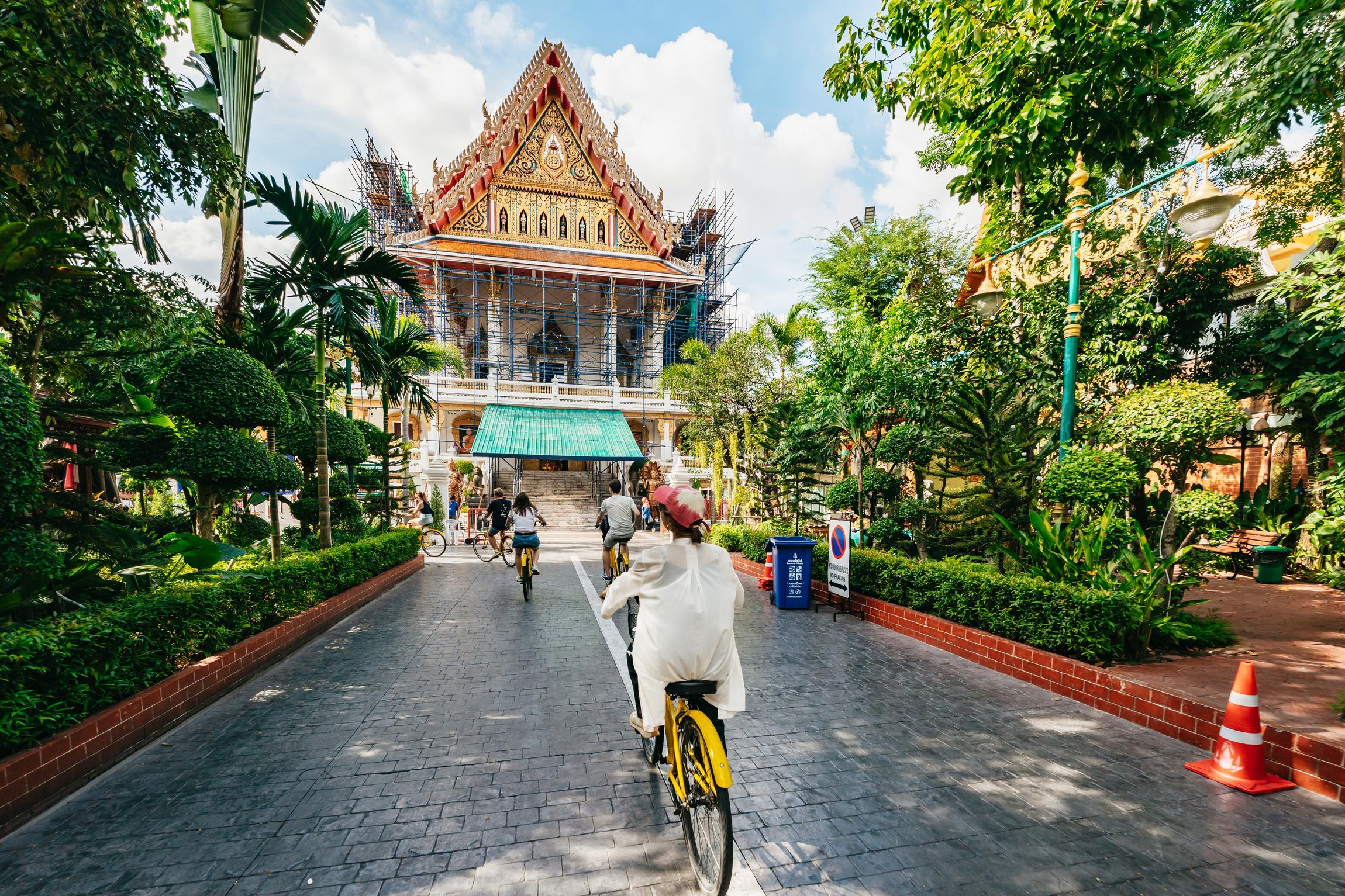
Pedal through Thonburi's hidden neighborhoods, riverside temples, and authentic markets on this 3-hour cycling adventure
Reserve
3 hr
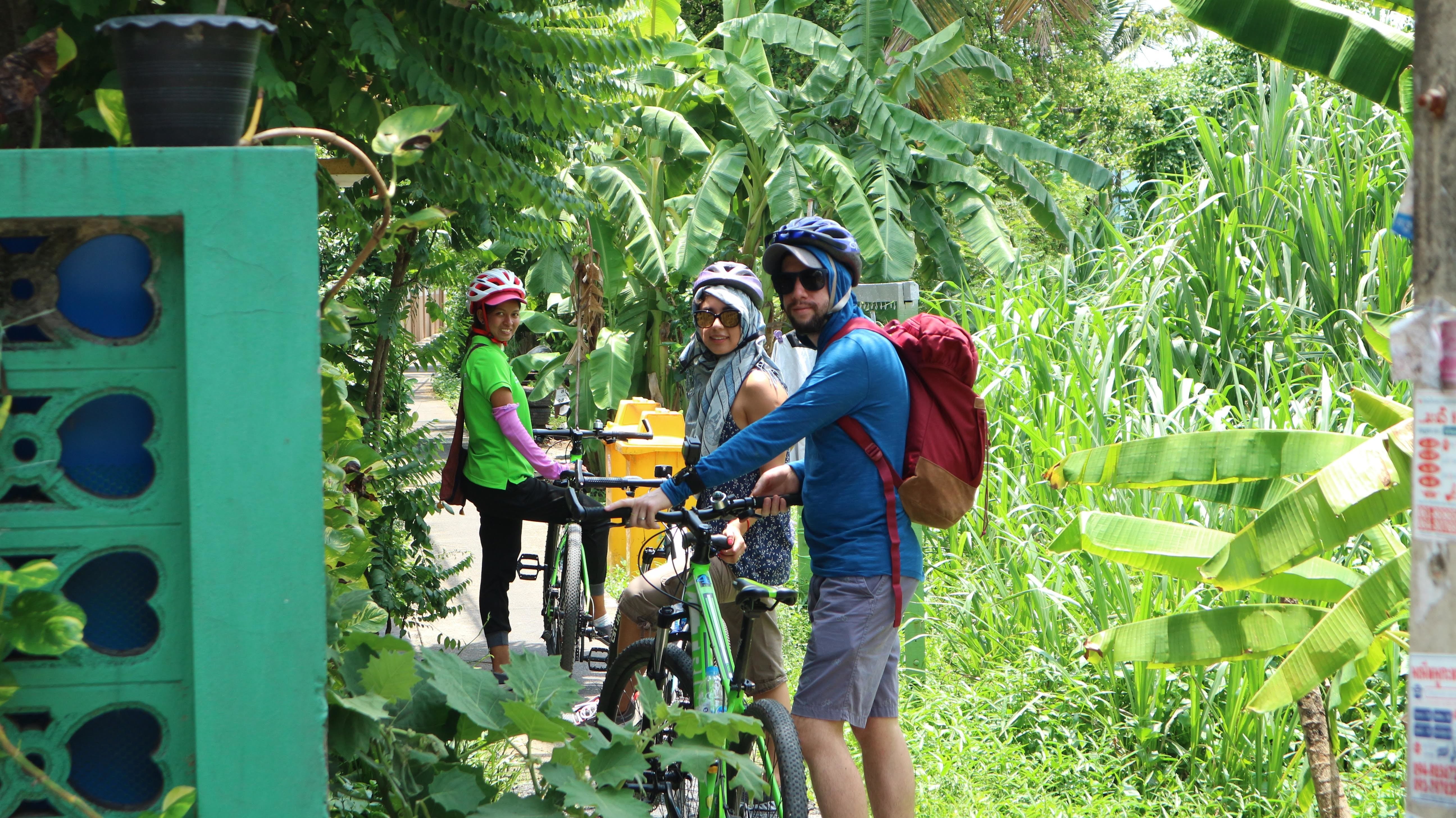
Pedal through Chinatown's bustling markets and Thonburi's quiet lanes on this authentic Bangkok adventure
Reserve
3 hr 30 min
Pedal through hidden alleys and glide along waterways to discover the city's local heartbeat
ReservePrices from verified partners. Availability updates in real time at checkout. Free cancellation policies apply where shown.
The landmarks, rooms, and views travelers on this tour remember — all visible on a single visit.
Home to the world's largest solid gold Buddha statue weighing 5.5 tons. This temple is a primary stop on any bike tour bangkok chinatown.
This narrow alleyway is the historic heart of the district. It has operated as a center for trade since the late 18th century.
The ceremonial gate welcomes visitors to the area and serves as a major navigation point. Its intricate Chinese architecture is a highlight.
The main artery of the district features iconic neon signage and dense street food culture. It is the core route for urban exploration.
They complement each other; most visitors who do both call the bike tour bangkok chinatown the more thrilling physical activity, while the walk provides better culinary access.
| Feature | Top pick Bike Tour | Night Food Walk |
|---|---|---|
Physical Exertion |
High: steady cycling | Low: walking and standing |
Primary Focus |
Urban navigation and landmarks | Culinary exploration and tastings |
Flexibility |
Fixed pace based on group | High: easy to pause for food |
Time of Day |
Daytime: 08:00–18:00 | Evening: 18:00–22:00 |
Local Interaction Depth |
Moderate: street-level observation | High: direct engagement with vendors |
| See tickets → |
Verdict: Opt for a bike tour bangkok chinatown tour for an active, broad overview of Yaowarat, or select the food walk if you prioritize flavor over bike tour bangkok chinatown tickets and distance.
Choose your ticket, select your date, and reserve in under two minutes. Secure checkout handled by our verified partner.
Instant confirmation by email, with a mobile voucher you can save offline. No printing, no queuing at a collection desk.
Arrive at the entrance, show your voucher on your phone, and walk in. Most tickets include priority or skip-the-line access.
Practical details for your visit straight from our verified partners — hours, access, rules, and how to get there.
Yaowarat Road, Bangkok 10100
Confirm specific meeting coordinates with your operator
MRT Blue Line to Wat Mangkon Station; it is a 5-minute walk to the main road.
Request drop-off at Yaowarat Road; traffic can be heavy near the entrance.
Modest clothing is recommended when entering local temples found along the bike tour bangkok chinatown path. Ensure shoulders and knees are covered to respect religious customs.
Keep valuables in a secure, cross-body bag while cycling to prevent theft in crowded markets. Do not leave personal items unattended on bicycles during stops.
Street photography is permitted, but always ask for permission before capturing portraits of local vendors. The vibrant signage of Yaowarat Road makes for excellent visual documentation of your Bangkok cycling excursion.
The route navigates public streets and narrow alleys with uneven pavement. Riders must be comfortable cycling in mixed urban traffic conditions.
Mobile devices should be stored securely while riding. Use navigation apps only when the bicycle is fully stopped in a safe location.
The bike tour bangkok chinatown route is suitable for children who are confident cyclists and experienced in city navigation. Verify specific equipment availability for smaller riders with your tour operator.
Numerous street food stalls line the route, offering authentic local delicacies. Carrying a reusable water bottle is essential to maintain hydration during your bike tour bangkok chinatown experience.
Pets are not permitted on group cycling tours. Local health regulations in food markets restrict animal access.
The bike tour bangkok chinatown relies on navigating busy traffic corridors. Always adhere to local cycling signals and maintain group formation.
Yaowarat Road, Bangkok 10100
Confirm specific meeting coordinates with your operator
Get directionsBest time to go, insider tips, nearby landmarks, and the cancellation fine print — flip through to skim what matters to you.
How crowds, weather, and events shift across the year.
Cooler, drier weather following the monsoon season makes for pleasant morning rides.
Mild temperatures and lower humidity ideal for long-distance urban cycles.
Higher heat levels require early morning starts to avoid the midday intensity.
Small details that turn a good visit into a great one.
Begin your bike tour bangkok chinatown between 08:00–10:00 to avoid the worst heat and congestion. This window offers the most comfortable riding conditions.
Chinatown traffic is chaotic; always follow your lead rider's signals closely. Defensive cycling is the primary method for safe transit.
Always carry small notes for purchasing snacks from market vendors. This simplifies transactions in busy, fast-paced environments.
Fill your water bottle before departure as shops may be crowded later in the day. High humidity in Bangkok necessitates frequent intake.
Non-bookable sights within a short walk — free to visit, easy to pair.
Famous for the Golden Buddha statue. This site showcases exquisite Sukhothai-era craftsmanship.
A historic narrow alley market filled with textiles and goods. It represents the oldest business district in the area.
The ceremonial Chinese gate marking the entrance to Chinatown. It serves as a symbolic landmark for the community.
Flexible, no hidden fees.
Full refunds are provided for cancellations made at least 24 hours prior to the scheduled start time. As this is a public area with 0 THB entrance fee, this policy applies strictly to operator-led service bookings.
Hand-picked options within walking distance — pick a district for vibe, or a specific hotel for convenience.
Centrally located hotel overlooking the main market thoroughfare.
Functional and close to major public transport links.
Basic shared amenities near the edge of the district.
Yaowarat Road threads through Bangkok's oldest commercial district, a seventy-two-hectare grid platted in 1891 when King Chulalongkorn relocated the city's Chinese merchants east of the Grand Palace walls. The street took its name from the monarch's regnal title and became the spine of a neighborhood where Teochew, Hokkien, and Cantonese clan associations built shophouses with ceramic roof tiles shipped from Shantou and Xiamen. By the 1920s, Samphanthawong district held four hundred gold shops, a concentration unmatched in Southeast Asia, and temple courtyards doubled as trade clearinghouses where silk merchants settled accounts beneath banyan canopies. A bike tour Bangkok Chinatown reveals infrastructure invisible to motorists. Narrow soi branch from Yaowarat at thirty-meter intervals, their paving stones worn concave by a century of foot traffic and handcart wheels. Wat Traimit Withayaram guards a five-and-a-half-ton solid-gold Buddha, discovered in 1955 when a plaster shell cracked during crane transport, and Wat Mangkon Kamalawat complex sprawls across three contiguous lots, its incense smoke visible from the Chao Phraya piers two kilometers west. Morning routes pass the Pak Khlong Talat flower wholesale market, where orchid stems arrive by river barge at dawn, and the Saphan Han intersection, where vendors have sold duck noodles from the same curbside stalls since 1957. Cycling Yaowarat Bangkok navigates a district that absorbed waves of migration: Teochew refugees fleeing the Taiping Rebellion in the 1850s, Hakka tin miners from southern Yunnan in the 1880s, and postwar Cantonese tailors who opened ateliers along Charoen Krung Road. Shophouse architecture reflects this layering — ground floors open to the street for commerce, upper floors recessed behind wooden shutters, and rear courtyards housing shrine altars and rainwater cisterns. The neighborhood's sixty-three heritage buildings, catalogued by the Crown Property Bureau in 2019, include Portuguese-tile facades on Soi Wanit 1 and art-deco reliefs on the Leng Buai Ia shrine gatehouse. Route planning centers on thermal management. Yaowarat's street canyon traps radiant heat, and midday pavement temperatures exceed forty degrees Celsius between March and May. Early-morning departures exploit cooler air and lighter traffic, when delivery trucks unload produce along Charoen Krung and temple doors open for alms rounds. The district's thirty-eight active temples operate dawn-to-dusk schedules, and cyclist access to courtyards depends on observing footwear prohibitions and avoiding prayer-hall interiors during chanting sessions.
"Yaowarat's seventy-two-hectare grid was platted in 1891 when King Chulalongkorn relocated the city's Chinese merchants east of the Grand Palace walls."
A step-by-step walkthrough of the visit — what you'll see, how long each stage takes, and the details that matter.
You collect your bicycle near the Hua Lamphong MRT exit at eight in the morning, helmet adjusted and route map reviewed. The guide leads you west on Yaowarat Road, staying close to the shophouse colonnade where awnings offer intermittent shade. You pass gold shops with crimson lacquer signboards and pause at Wat Mangkon Kamalawat, where you walk your bike through the entrance courtyard and observe devotees lighting joss sticks at the main altar. Back on the street, you turn into Soi Charoenkrung 16, a narrow lane where balconies overhang the pavement and laundry lines crisscross above your head. The route continues to Pak Khlong Talat, where you dismount and push through the flower market's center aisle, orchids and marigolds stacked in plastic crates on either side. You resume riding along the Chao Phraya promenade, the river's brown current visible between moored barges, then loop back into Samphanthawong's temple district. At Wat Traimit, you lock your bike and climb the interior staircase to view the golden Buddha under the rotunda's skylight. The final segment follows Charoen Krung Road north, past shophouses with Portuguese-tile facades and art-deco corner buildings, before you return to the starting point shortly before noon, wheels dusty and water bottle empty.
The area is open from 08:00–18:00 daily, though early morning is best for cycling. Plan your arrival for 08:00–10:00 to avoid midday congestion.
The route involves cycling on public roads and narrow, uneven alleys. Riders must be prepared for urban traffic and varied surface conditions.
Book your bike tour bangkok chinatown tickets in advance for the 08:00–10:00 window. This period avoids peak afternoon temperatures.
Small, secure bags are recommended for a bike tour bangkok chinatown. Do not carry large or loose items that could fall during transit.
Yes, wear modest clothing covering shoulders and knees. This is essential for respecting temples visited during your Bangkok tour.
Children can join if they are confident cyclists. Check with your specific tour operator regarding equipment and age requirements for the bike tour bangkok chinatown.
Many bike tour bangkok chinatown options include stops at food stalls. Check your specific booking details for inclusive meal information.
The most efficient way to reach the bike tour bangkok chinatown is via the MRT Blue Line to Wat Mangkon Station.
There is 0 THB entrance fee for the bike tour bangkok chinatown route. It is a public area, though guided tours may have service fees.